Swarm Season: How to Predict and Prevent Swarms Before You Lose Them
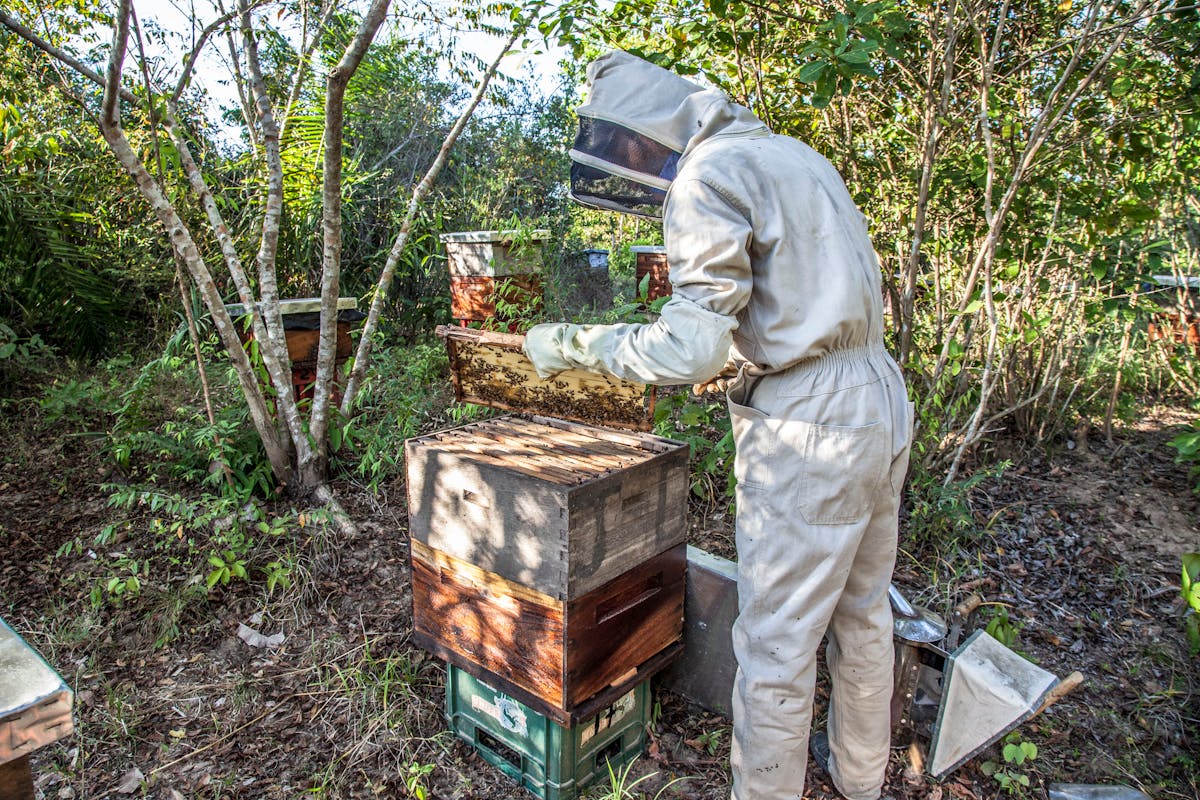
There's a moment every beekeeper dreads: you pull into the apiary, look up, and see a cloud of bees swirling into the sky. Half your colony's workforce — along with your best queen — is leaving. By the time you grab a box, they're already settling on a branch sixty feet up. Gone.
Swarming is the colony's natural way of reproducing. It's not a failure of the bees — it's a sign of a strong, healthy colony that's outgrown its home. But for beekeepers, a swarm means lost production, weakened colonies, and sometimes the loss of prized genetics. The good news? Swarms don't happen without warning. If you know what to look for, you can predict them and take action before the bees make their decision for you.
Why Bees Swarm
Swarming is driven by congestion. When a colony runs out of space for the queen to lay, for workers to store nectar, and for bees to move freely, the colony's instinct kicks in. The workers begin preparing queen cells, the existing queen slims down for flight, and roughly half the colony leaves to start fresh somewhere new.
Several factors increase swarm pressure:
- A booming population with insufficient hive space
- Backfilling — workers storing nectar in the brood nest, crowding out the queen
- A young, prolific queen who has filled every available cell
- Warm weather and strong nectar flow happening simultaneously
- Genetics — some lines are simply more swarm-prone than others
The Warning Signs
Swarms don't happen overnight. The preparation process takes 1-2 weeks, which gives you a window to intervene — but only if you're inspecting regularly and know what to look for.
Queen Cups and Queen Cells
Every colony builds empty queen cups (sometimes called play cups) along the bottom of frames. These are normal and don't necessarily mean swarming is imminent. But when those cups contain eggs or larvae and royal jelly, the colony has made its decision. Charged queen cells — especially multiple cells along the bottom edges of frames — are the clearest signal that a swarm is coming within days.
How BeeKeeperVoice helps
Log queen cups and swarm cells by voice the moment you spot them: "Hive 6, three charged queen cells on frame 5, bottom bar." BeeKeeperVoice tracks swarm cell observations across inspections so you can see which colonies are persistently swarm-prone and which were a one-time event.
Backfilling the Brood Nest
When workers start storing nectar in cells that the queen would normally use for laying, that's backfilling. It's a subtle sign that's easy to miss, but it's one of the earliest indicators of swarm preparation. The bees are essentially crowding the queen out, reducing her laying space and triggering the swarm impulse.
Congestion and Bearding
If bees are hanging in clusters on the front of the hive during moderate temperatures (not just on the hottest days), the colony may be running out of room inside. Heavy bearding combined with a booming population is a warning sign, especially during nectar flows in April and May.
How BeeKeeperVoice helps
The AI analyzes your inspection data for congestion patterns — rapidly increasing population, full frames of honey in the brood nest, and previous swarm cell reports. When multiple indicators line up, it flags the colony so you can act before the bees do.
When Swarms Happen
In most temperate climates, swarm season runs from mid-April through late May, though it can extend into June in cooler regions. The peak coincides with the spring nectar flow, when colony populations are exploding and food is abundant. First-year colonies from packages rarely swarm, but overwintered colonies with established queens are prime candidates.
Prevention Methods That Work
Give Them Space
The simplest and most effective swarm prevention is adding supers before the colony needs them. If you wait until every frame is fully drawn and packed, you're already behind. Add supers when the colony is using 7-8 of 10 frames. Stay ahead of the build-up, especially during strong flows.
Make Splits
Splitting a strong colony into two is nature's swarm in a controlled way. You remove frames of brood, bees, and a queen or queen cell to create a new colony, relieving congestion in the parent hive. Splits are the most reliable swarm prevention method and have the bonus of increasing your colony count.
Checkerboarding
This technique involves alternating frames of honey and empty drawn comb above the brood nest in late winter. The theory is that bees interpret the broken honey barrier as insufficient stores, suppressing the swarm impulse. Many beekeepers swear by it, though it requires preparation before the build-up begins.
How BeeKeeperVoice helps
Set reminders for split timing based on your colony's build-up trajectory. When you note "population strong, 9 frames of bees" during an inspection, the app can remind you to check back in 5 days with equipment for a split. Timing is everything with swarm prevention, and automated reminders keep you on schedule.
What to Do If You Catch a Swarm
Despite your best efforts, sometimes bees swarm anyway. If you're lucky enough to find the cluster, catching a swarm is straightforward: shake or brush the cluster into a box, make sure you get the queen (the bees will march in if she's inside), and set them up as a new colony. Caught swarms are free bees with a proven queen — there's no shame in adding them to your operation.
Check the colony they left behind, too. It will have queen cells developing, and you'll need to decide whether to let them requeen naturally or manage the cells yourself.
The Pattern Behind Every Swarm
Most swarms aren't surprises — they're missed signals. The queen cells were there a week ago. The congestion was building for two inspections. The backfilling started before you added that super. When you track these observations consistently, the pattern becomes obvious long before the swarm takes flight.
The beekeepers who rarely lose swarms aren't doing anything magical. They're inspecting on schedule, recording what they see, and responding to the data before it becomes an emergency.
Track swarm signs before they become swarm losses
Try BeeKeeperVoice free for a full month and let AI help you spot congestion patterns across your apiary.
Download on App Store