How AI is Transforming Modern Beekeeping
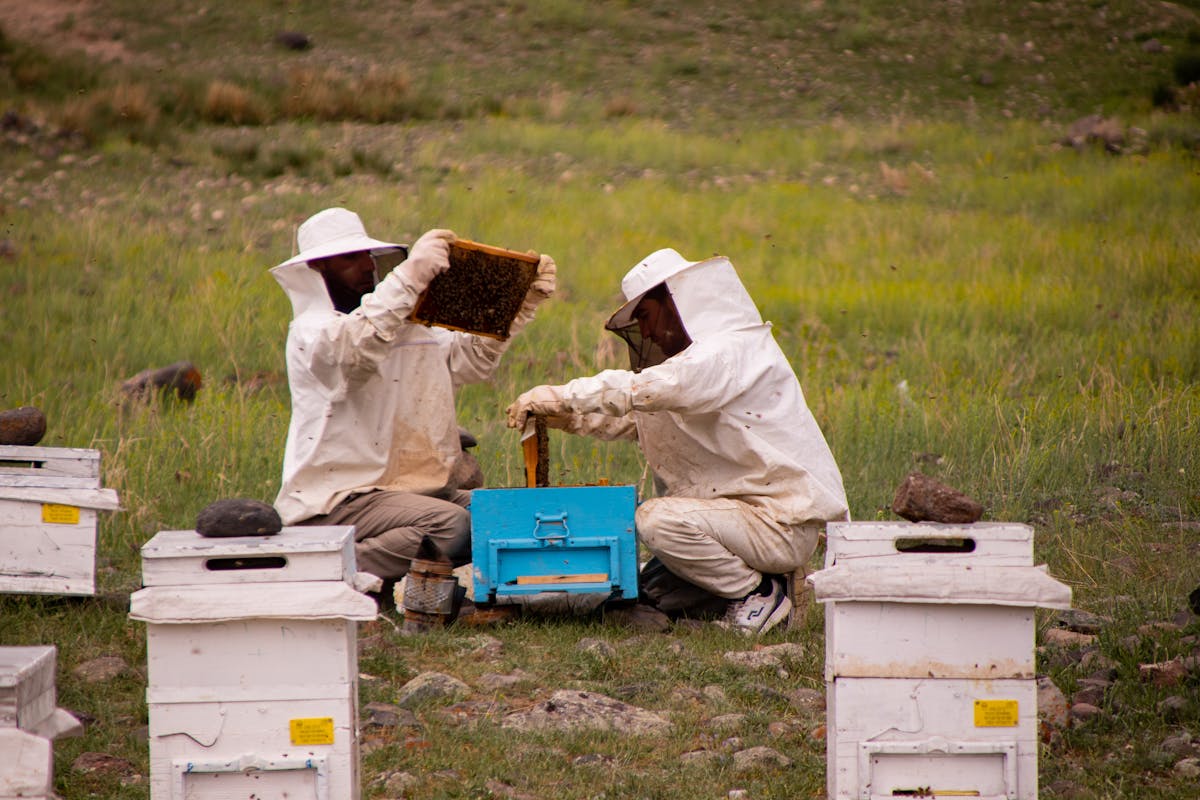
Beekeeping is one of the oldest agricultural practices on Earth, stretching back thousands of years. Yet in the last few years, artificial intelligence has begun to change how beekeepers understand and manage their colonies. From detecting subtle patterns in inspection data to providing real-time health insights, AI is proving to be a surprisingly powerful tool for an age-old craft.
The Data Challenge in Beekeeping
Every hive inspection generates a wealth of information: brood patterns, food stores, queen status, pest levels, temperament, population estimates, and more. A beekeeper with fifty hives who inspects every ten days produces hundreds of data points each month. Multiply that across seasons and years, and the volume of information becomes enormous.
The problem is that human brains are not great at spotting gradual trends across hundreds of observations. A queen's laying pattern might be declining slowly over six weeks, or varroa levels in a particular apiary might be creeping up faster than in others. These patterns are easy to miss when you are focused on the immediate needs of each colony, but they are exactly the kind of signals that lead to better management decisions.
How AI Fits Into Beekeeping
This is where AI excels. Machine learning algorithms are purpose-built for finding patterns in large data sets. When applied to beekeeping data, they can surface insights that would take a human hours of spreadsheet analysis to discover, and they do it automatically.
In BeeKeeperVoice, this capability is called Hive Command. It is an AI-powered assistant that analyzes your inspection history, queen records, and hive data to provide personalized insights and recommendations. Rather than replacing the beekeeper's judgment, it augments it. Think of it as having a knowledgeable partner who has perfect recall of every inspection you have ever done and can cross-reference everything instantly.
Pattern Detection and Early Warnings
One of the most valuable applications of AI in beekeeping is early warning detection. Consider these scenarios:
- Declining brood patterns: A queen that was rated excellent three months ago now shows a gradually worsening laying pattern. The AI flags this trend before the colony reaches a crisis point, giving you time to prepare a replacement queen.
- Seasonal comparisons: Your colonies in one apiary are building up more slowly than the same time last year. The AI notices this and prompts you to investigate possible causes: forage changes, new pesticide exposure, or a shift in local conditions.
- Treatment timing: Based on your historical mite counts and treatment records, the AI suggests optimal treatment windows so you stay ahead of varroa buildup rather than reacting after the damage is done.
These are not hypothetical features. They represent the kind of pattern detection that becomes possible when you combine consistent data collection with intelligent analysis.
Health Insights at Your Fingertips
Hive Command in BeeKeeperVoice goes beyond simple alerts. You can ask it questions in natural language: "How are my hives in the north apiary doing compared to last spring?" or "Which queens have the best temperament scores?" The AI draws on your full inspection history to give you an informed answer.
This is particularly helpful for beekeepers managing multiple apiaries or running breeding programs. Instead of scrolling through months of notes, you can have a conversation with your data. The AI synthesizes your records into clear, actionable summaries.
AI Tokens: Understanding the Model
BeeKeeperVoice uses an AI token system to power Hive Command. Each question you ask or insight the AI generates consumes a small number of tokens. The free tier includes enough tokens for casual use, and premium plans offer higher limits for beekeepers who rely on AI insights regularly. This approach keeps the AI features accessible to everyone while supporting the computational costs of running advanced language models.
Tokens are used only when you actively request AI analysis. Routine features like voice inspection recording, queen tracking, and hive management do not consume tokens. You are always in control of when and how much AI assistance you use.
What AI Cannot Replace
It is worth being honest about what AI cannot do. No algorithm can replace the experienced eye of a beekeeper standing in front of an open hive. The smell of foulbrood, the sound of a queenless colony, the subtle body language of defensive bees: these are things that require human senses and judgment. AI does not manage your hives for you. It helps you manage them better by organizing your data, spotting trends you might miss, and giving you faster access to your own accumulated knowledge.
The best outcomes come from combining traditional beekeeping skills with modern tools. A beekeeper who inspects regularly, keeps good records, and uses AI to analyze those records has a significant advantage over one who relies on memory and guesswork alone.
Looking Ahead
AI in beekeeping is still in its early days. As more beekeepers contribute data and the models improve, we can expect increasingly sophisticated capabilities: predictive swarming alerts, regional disease risk mapping, and even AI-assisted breeding recommendations based on genetic performance data. The future of beekeeping is not less human involvement. It is smarter human involvement, supported by tools that make our knowledge more accessible and our decisions more informed.
Whether you manage a few hives in your backyard or hundreds across the countryside, AI-powered tools can help you become a more effective beekeeper. The key is starting with good data, and that starts with consistent record-keeping at every inspection.
Curious about AI-powered beekeeping? BeeKeeperVoice includes Hive Command, an AI assistant that analyzes your inspection data and provides personalized health insights for your colonies.
Try BeeKeeperVoice free for a month →