Queen Rearing 101: From Grafting to Mating and Beyond
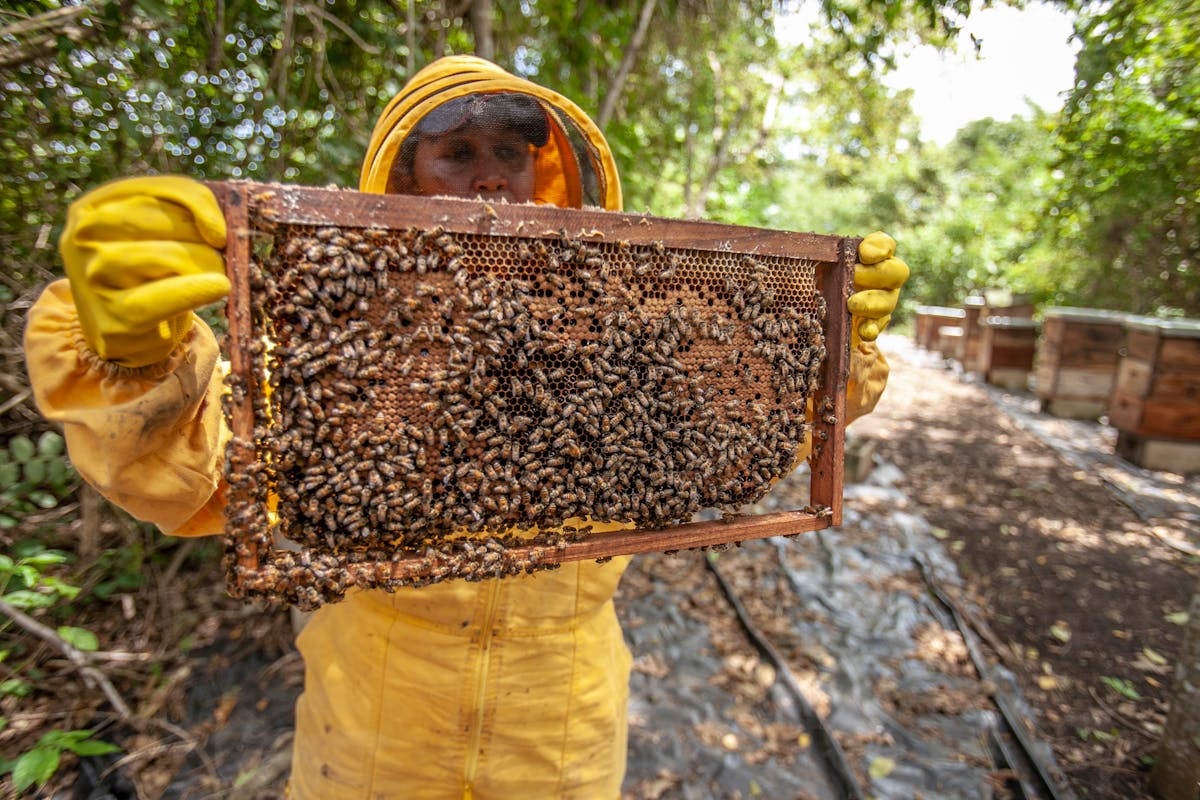
Raising your own queens is one of the most rewarding skills a beekeeper can develop. It gives you control over the genetics of your operation, reduces your dependence on purchased queens, and lets you select for the traits that matter most in your local environment. Whether you want to raise a handful of queens for your own yard or scale up to supply other beekeepers, the fundamentals are the same.
Why Raise Your Own Queens?
Commercially raised queens are widely available, so why go through the effort? The biggest reason is local adaptation. A queen bred from your best-performing stock and mated with local drones will produce bees already suited to your climate, forage, and pest pressures. Over multiple generations, this selective breeding leads to colonies that are hardier, calmer, and more productive.
There is also a practical side: if you can raise queens on your own schedule, you are never caught waiting for a shipment when a colony suddenly goes queenless. Having queen cells or mated queens ready to go is a game-changer during the busy season.
The Grafting Process
Grafting is the most common method for producing queen cells in quantity. The process involves transferring very young larvae (less than 24 hours old) from worker cells into artificial queen cups. Here is a simplified walkthrough:
- Select your breeder queen. Choose a colony with the traits you want to propagate: gentleness, honey production, disease resistance, overwintering ability, or low swarming tendency.
- Prepare your cell builder. A cell builder is a strong, queenless colony packed with nurse bees that will feed and build out the queen cells. Some beekeepers use a "starter-finisher" approach, where cells are started in a queenless colony and finished above a queen excluder in a queenright hive.
- Graft the larvae. Using a grafting tool, gently lift a tiny larva from a worker cell and place it into a wax or plastic queen cup primed with a drop of royal jelly. This requires a steady hand and good eyesight, but it gets easier with practice.
- Place cells in the builder. The nurse bees will begin feeding the grafted larvae royal jelly, and the cells will be capped around day five after grafting.
From Cell to Mated Queen
About ten days after grafting, the queen cells are mature and ready to be placed into mating nucs, which are small colonies specifically set up to receive virgin queens. Each mating nuc gets one queen cell. The virgin queen emerges, takes her orientation and mating flights, and (weather permitting) begins laying within one to two weeks.
This is also where record-keeping becomes essential. With a dozen or more mating nucs in play, each with a cell from a different breeder or graft round, things get complicated fast. You need to track which breeder each cell came from, when it was grafted, when the virgin emerged, and when she started laying. Losing track of these details can undermine your entire breeding program.
Tracking Queen Lineage
Serious queen rearing demands serious record-keeping. You need to know not just who the mother queen is, but her performance history and, ideally, several generations of lineage data. This is where a tool like BeeKeeperVoice becomes particularly valuable. The app lets you track queen lineage, recording the mother queen for every daughter queen you produce. Over time, you build a family tree that helps you identify your strongest genetic lines.
BeeKeeperVoice also includes queen performance scoring, so you can rate each queen on traits like laying pattern, temperament, honey production, and disease resistance. When it comes time to choose your next breeder, you are not guessing. You have data.
Evaluating and Scoring Queens
Not every queen you raise will be a winner, and that is perfectly normal. The key is evaluating queens consistently and honestly. Here is what to assess once a new queen has been laying for several weeks:
- Laying pattern: Is it tight and solid, or spotty with missed cells?
- Population buildup: Does the colony grow quickly and maintain a strong population?
- Temperament: Are the bees calm on the comb during inspections, or running and defensive?
- Honey production: How does this colony compare to others in the same apiary with similar conditions?
- Hygienic behavior: Do the bees remove dead brood efficiently? This is a strong indicator of disease resistance.
By scoring each queen on these traits and recording the data after every inspection, you create a clear picture of which lines to continue and which to cull. Voice recording makes it easy to capture these observations in real time. Just speak your scores as you inspect, and BeeKeeperVoice logs everything under the right queen and hive automatically.
Scaling Up
Once you are comfortable grafting and managing mating nucs, you can scale up gradually. Many beekeepers start with ten to fifteen cells per round and work their way up. The biggest challenges at scale are usually logistics rather than biology: keeping track of which nuc has which cell, when to check for laying, and which queens are ready to be moved into production hives.
Good tools and good habits make this manageable. Having your queen lineage, performance data, and inspection history all in one place, accessible by voice even when your hands are full, takes the guesswork out of the process.
Queen rearing is a deep and rewarding practice. Start small, keep careful records, and select relentlessly for the traits that matter to you. Over seasons, you will build an apiary of queens uniquely suited to your land and your goals.
BeeKeeperVoice makes queen tracking simple. Record lineage, score performance, and build your breeding records hands-free by voice.
Try BeeKeeperVoice free for a month →