The Note You Didn't Write Down That Cost You a Colony
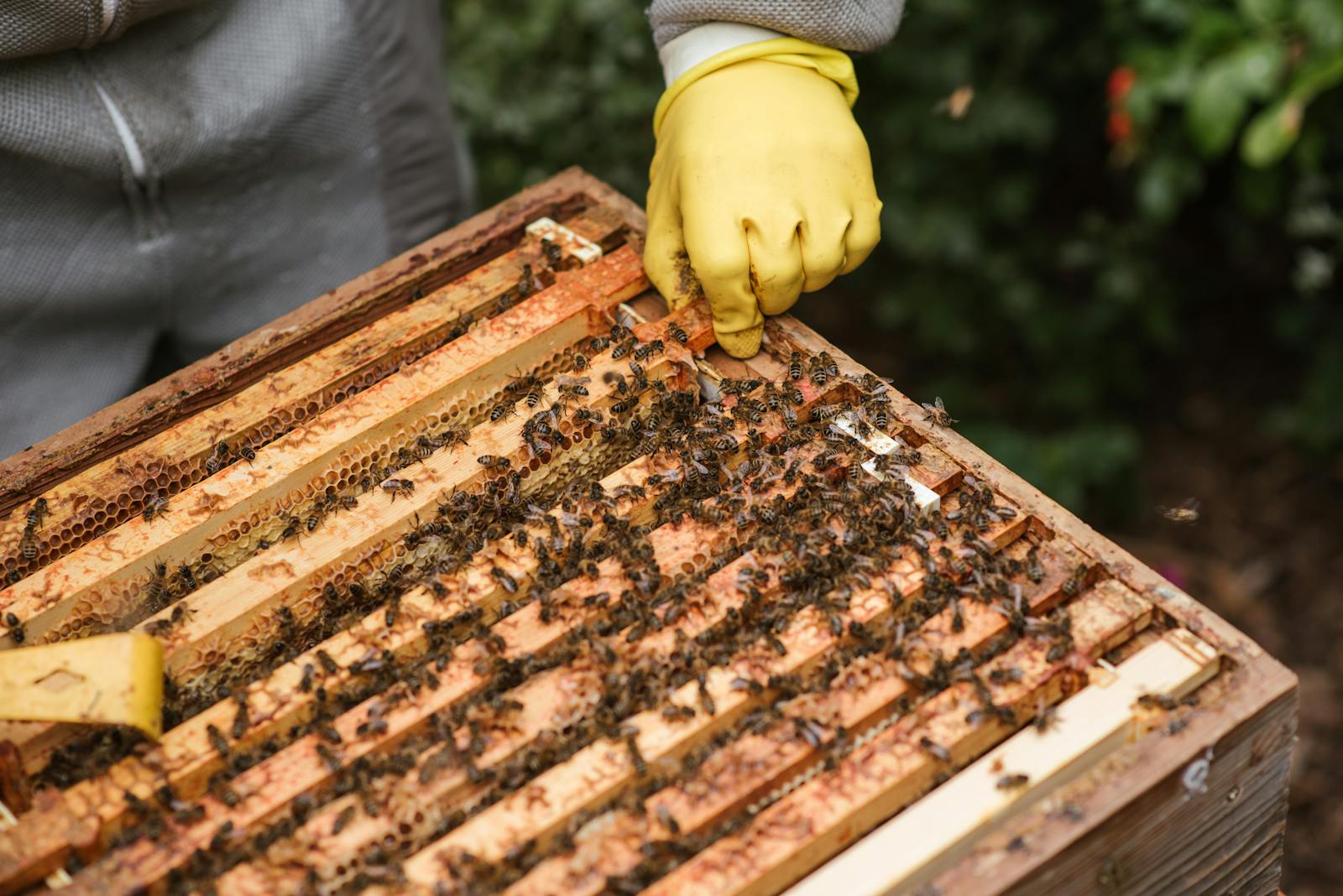
Every beekeeper has one. That moment you look back and think: "If I'd just written that down..."
Went back through one of my hives last season and realized I basically guessed my way into a problem.
I remember seeing a weird brood pattern... not terrible, just "off." Didn't write it down. Figured I'd remember.
Three weeks later — queenless.
No clue when it started going downhill. No timeline. Just guessing.
Sound familiar? That's a story from our own apiary. And it was the moment that changed how we think about inspection notes forever.
The Problem With "I'll Remember"
Here's the truth about hive inspections: the observations that feel unimportant in the moment are usually the ones that matter most later.
You open a hive. Everything looks "fine." But something's a little off. Maybe the brood pattern isn't as tight as last time. Maybe the bees seem a touch more agitated. Maybe the queen was on an outside frame instead of the center where she usually is.
None of these are emergencies. None of them scream "write this down right now." So you don't. You close up, move to the next hive, and that tiny observation evaporates.
Three weeks later, the colony is in trouble — and you have no breadcrumbs to trace back to when it started.
The "Dumb Little Notes" That Save Colonies
After losing that colony, something changed. We started logging things that felt almost embarrassingly small:
"Brood looks patchy, frame 4" "Colony louder than usual" "Queen on outside frame again" "Bees a little spicy today" "Fewer foragers than expected" "Noticed 2 queen cups, not charged"
Half of it feels pointless when you say it. "Bees a little spicy today" — who cares, right?
Until three inspections later, when that same colony is consistently aggressive, population is dropping, and now you're wondering if the queen was replaced by a poorly mated one weeks ago. Suddenly that "spicy" note from March 8th is the first clue in a timeline you'd otherwise never have.
Why We Skip Notes (And Why It Matters)
Nobody skips notes because they're lazy. They skip them because the tools make it too hard.
- Gloves are on. You're not pulling them off to type on a phone or scribble in a notebook while bees crawl up your arms.
- You're focused on the bees. The moment you break concentration to record something, you lose your connection with what the colony is showing you.
- It doesn't feel urgent. "Patchy brood on frame 4" doesn't feel worth the friction of stopping to write it down.
- You tell yourself you'll remember. You won't. Not accurately. Not three hives later. Definitely not three weeks later.
The result? Most beekeepers have inspections where they recorded nothing, or recorded so little that the notes are useless for spotting trends.
How BeeKeeperVoice changes this
When you can record a note just by saying it — gloves on, hands on the frame, eyes on the bees — the friction drops to zero. "Brood patchy on frame 4." Two seconds. Done. You never broke your focus, and that note is now timestamped, linked to the hive, and part of a searchable history.
Small Notes, Big Patterns
Here's what happens when you start capturing those "dumb little notes" consistently: patterns emerge that you'd never see otherwise.
Consider this sequence, spread over six weeks:
- March 8: "Bees a little spicy today"
- March 22: "Queen on outside frame. Brood a bit spotty."
- April 5: "Couldn't find queen. Temperament worse. Two open queen cups."
- April 19: "Queenless confirmed. Emergency cells started."
With notes, you can trace the decline back to early March. You see a clear trajectory: temperament change, queen displacement, spotty brood, then failure. You can learn from it. You can spot the same pattern earlier next time.
Without notes? All you know is that one day the hive was fine, and then suddenly it wasn't. You learn nothing. The same thing happens next season.
How BeeKeeperVoice changes this
The AI doesn't just store your notes — it reads them. Hive Command can analyze your inspection history across weeks and months, flagging colonies showing early warning signs like declining temperament, irregular queen sightings, or brood pattern changes. It sees the pattern forming before you do, because it never forgets and it's reading every note from every inspection.
The Notes Nobody Else Would Think to Record
Once you get in the habit of voice-logging observations, you start noticing things you never would have written down with a pen:
- Sound. "This colony sounds different today — higher pitch." Changes in hive sound can indicate queenlessness before you even pull a frame.
- Smell. "Slight sour smell when I opened the inner cover." Early foulbrood detection sometimes starts with your nose, not your eyes.
- Behavior. "Guard bees more aggressive at the entrance than neighboring hive." Robbing, queenlessness, or Africanized genetics — all start with subtle behavioral shifts.
- Comparisons. "Hive 7 way less active than Hive 8, same sun exposure." Relative observations are incredibly valuable and almost never make it into written records.
These aren't things you'd stop to write in a notebook. But they take two seconds to say out loud. And any one of them could be the observation that saves a colony — or helps you catch a disease before it spreads to your other hives.
How BeeKeeperVoice changes this
Voice notes remove the mental filter of "is this worth writing down?" If you noticed it, it's worth recording. Just say it. BeeKeeperVoice captures it, links it to the hive, and adds it to the inspection timeline. Six weeks from now, when you're trying to figure out why that colony crashed, every note is right there waiting for you — including the ones you would have thrown away.
The Real Cost of the Note You Didn't Take
A lost colony isn't just an emotional blow — it's expensive. Replacement packages, lost honey production, wasted treatments, months of buildup gone. For many beekeepers, a single preventable loss represents hundreds of dollars and an entire season of work.
And often, the difference between catching a problem in time and discovering it too late comes down to one small observation that was either recorded... or forgotten.
The stuff you don't write down is the stuff that matters most.
So the question isn't whether you should record more during inspections. It's whether your tools make it easy enough that you actually will.
What's Your Story?
Every beekeeper has that one note they wish they'd written down. The observation that seemed small but turned out to be the first domino. The detail that would have changed everything if they'd just captured it.
What's yours? We'd love to hear it — reach out to us on Facebook and share your story. It might help another beekeeper avoid the same mistake.
Never lose another observation
BeeKeeperVoice lets you record every detail by voice — gloves on, hands on the frame, eyes on the bees. Try it free for a full month.
Download on App Store