The Complete Guide to Hive Inspections: What to Look For and How to Record It
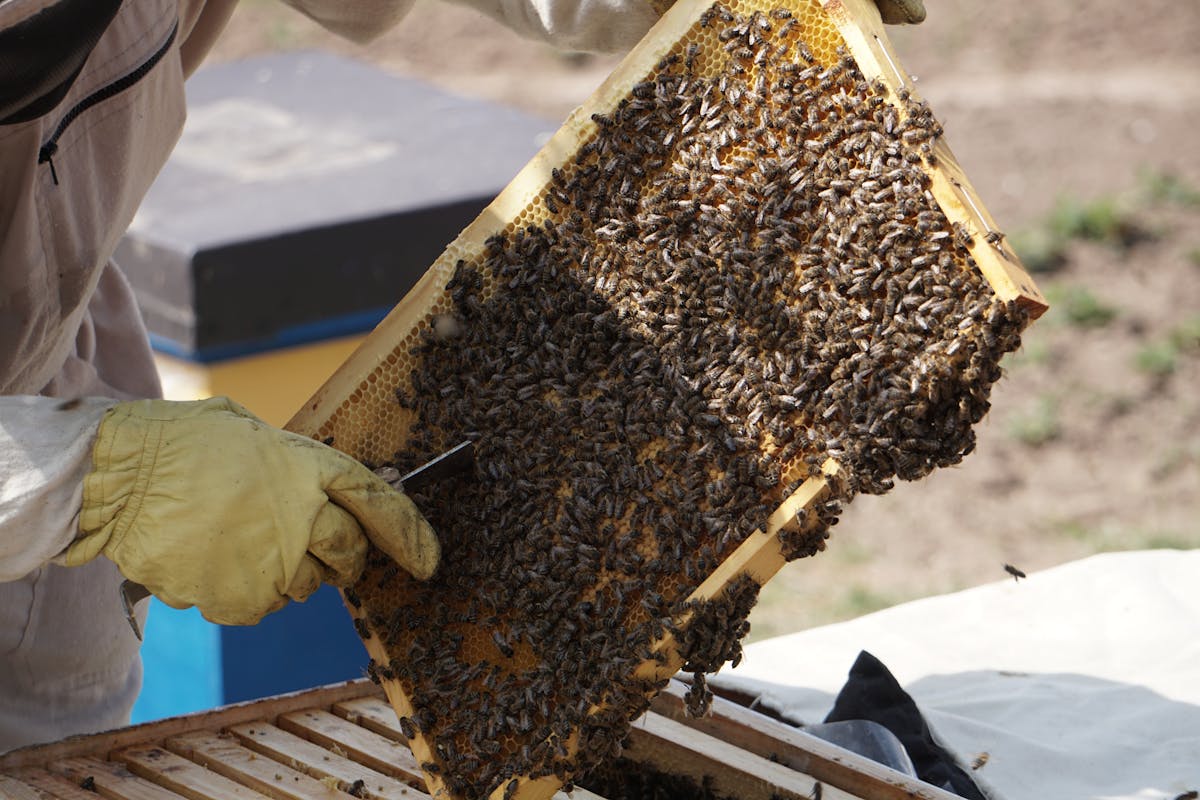
Regular hive inspections are the backbone of good beekeeping. Whether you manage two backyard hives or two hundred across multiple apiaries, knowing what to look for and keeping reliable records can mean the difference between a thriving colony and a preventable loss. In this guide, we will walk through the essentials of a thorough hive inspection and share tips for making record-keeping painless, even in the middle of a busy bee yard.
Before You Open the Hive
Preparation starts before the lid comes off. Choose a warm, calm day when foragers are active. Suit up, light your smoker, and take a moment to observe the hive entrance. Strong, steady traffic with pollen-laden bees is a great sign. Watch for anything unusual: bees fanning aggressively, guard bees biting at intruders, or a noticeable drop in activity compared to neighboring colonies.
Having a checklist in mind (or on your phone) ensures you never forget a critical observation. Many beekeepers find that a structured approach helps them move through the hive efficiently, reducing stress on the colony and saving time.
What to Check Inside the Hive
Once the hive is open, work through the frames methodically. Here are the key things to look for during every inspection:
- Queen presence: Spot the queen if you can, or look for fresh eggs standing upright in cells. One egg per cell in a tight pattern means a healthy, laying queen.
- Brood pattern: A solid, compact brood pattern with few empty cells indicates strong genetics and good health. Scattered, spotty brood can signal disease or a failing queen.
- Food stores: Check frames for capped honey and pollen. Colonies need adequate reserves, especially heading into dearth periods or winter.
- Pests and disease: Look for varroa mites on bees and in drone brood, signs of American foulbrood (sunken, perforated cappings), chalkbrood mummies, or small hive beetles.
- Population and temperament: Gauge the overall bee population. Are the bees calm and working, or agitated and defensive? Changes in temperament can indicate queenlessness or other problems.
- Space: Determine if the colony needs a new super, or if you should consolidate boxes. Crowding leads to swarming; too much space invites pests.
The Record-Keeping Challenge
Here is where many beekeepers struggle. You are standing in the apiary wearing gloves, holding a frame, smoker in one hand, and you notice something important. How do you record it?
Paper notes blow away or get stained with propolis. Typing on a phone with sticky, gloved fingers is slow and frustrating. And if you wait until later, you forget half of what you saw. Multiply this by twenty or thirty hives, and it becomes clear why so many inspection records are incomplete or simply never taken.
This is exactly the problem that voice-based recording was designed to solve. With a tool like BeeKeeperVoice, you simply speak your observations out loud as you work. "Hive seven, queen spotted, good brood pattern, three frames of capped honey, no signs of varroa." The app captures and organizes everything without you ever needing to set down a frame or remove a glove.
Why Consistent Records Matter
When you build up weeks and months of inspection data, patterns emerge that are impossible to see in a single visit. You might notice that a particular queen's brood pattern has been gradually declining, or that one apiary consistently produces more honey than another. Over time, these insights help you make better decisions about requeening, feeding, treatments, and hive placement.
Good records also matter for compliance. Many states and countries require beekeepers to track treatments, report disease findings, or maintain records for organic certification. Having structured, searchable inspection data makes this straightforward rather than a scramble.
Tips for Better Inspections
A few habits can make your inspections both faster and more valuable:
- Follow a consistent sequence. Work from one side of the hive to the other. Check the same things in the same order every time so nothing gets missed.
- Use a checklist. Whether mental or digital, a checklist keeps you focused. BeeKeeperVoice includes a built-in inspection checklist that you can customize for your operation.
- Inspect on a schedule. During the active season, every seven to ten days is ideal. This lines up with the brood cycle and lets you catch swarm cells before they are capped.
- Record immediately. The best time to record an observation is right when you see it. Voice recording makes this natural and hands-free.
Working Offline in the Field
Many apiaries sit in rural areas with no cell service. If your record-keeping tool requires an internet connection, you are out of luck in exactly the places you need it most. BeeKeeperVoice works fully offline, storing all your voice inspections, notes, and data on-device and syncing automatically when you reconnect. That way, you never lose an observation because you were out of range.
Hive inspections do not have to be complicated, and recording what you find does not have to be a chore. With a consistent approach and the right tools, every beekeeper can build a reliable record that leads to healthier, more productive colonies season after season.
Ready to make your hive inspections easier? BeeKeeperVoice lets you record inspections hands-free by voice, works offline in any apiary, and keeps all your data organized in one place.
Try BeeKeeperVoice free for a month →